Description
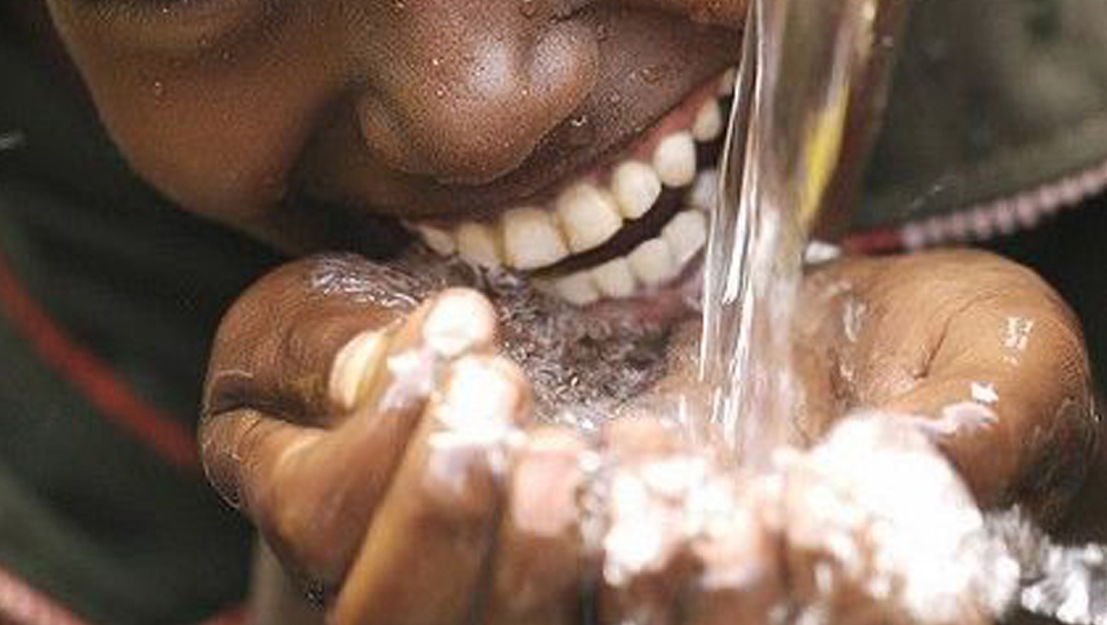
Water, sanitation, and hygiene (WASH) are critical to protecting the health, dignity, and safety of women and children. Access to safe water and proper sanitation reduces the risk of disease, eases the daily burden on women and girls, and supports healthy growth and development for children.
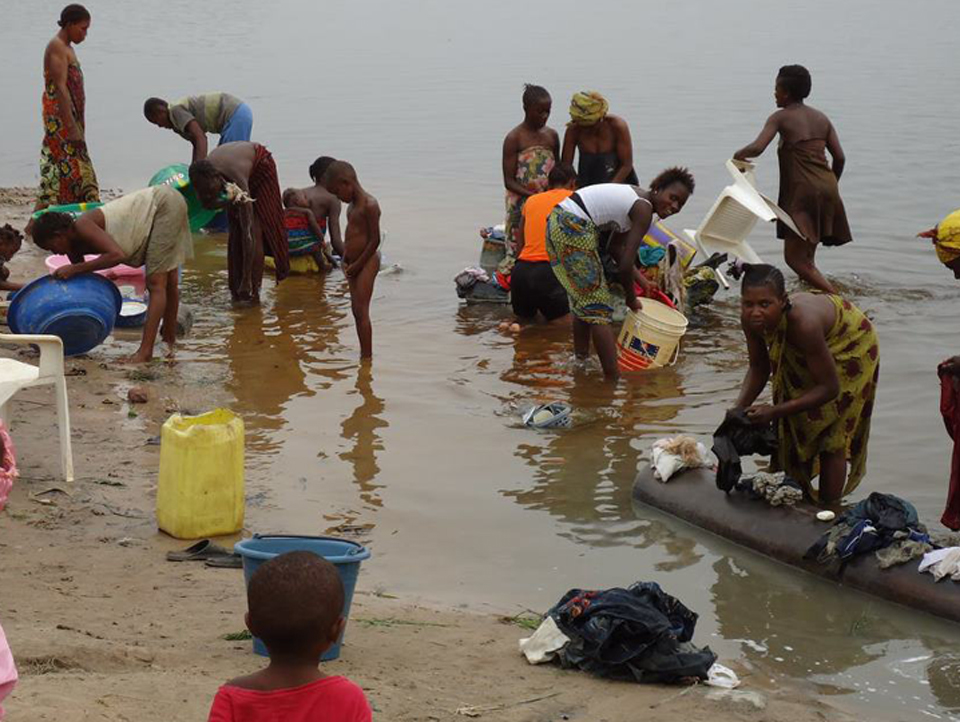
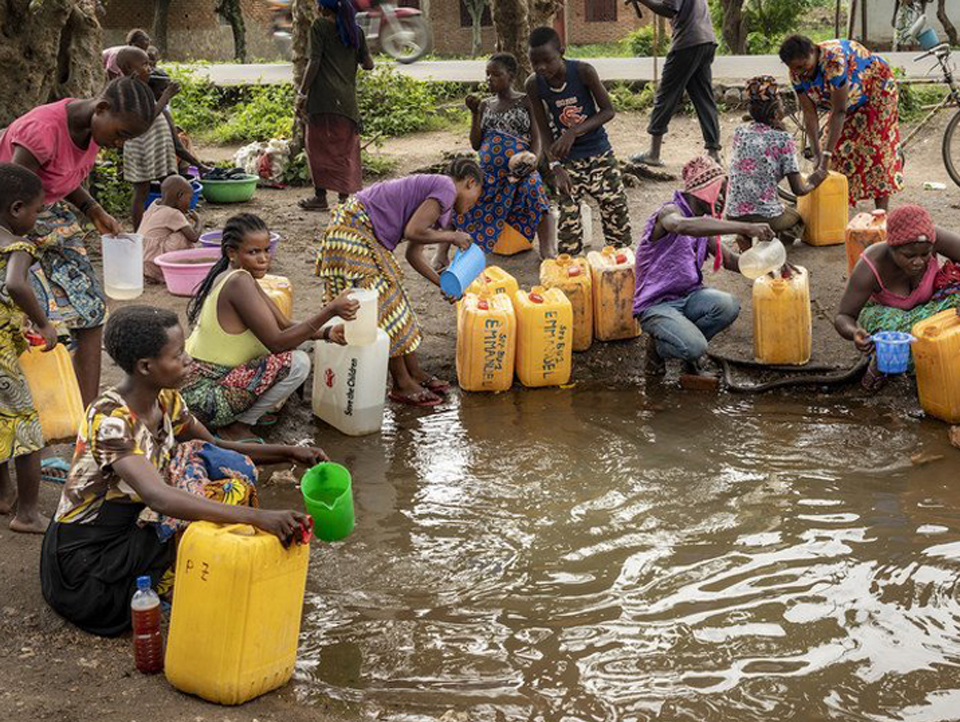
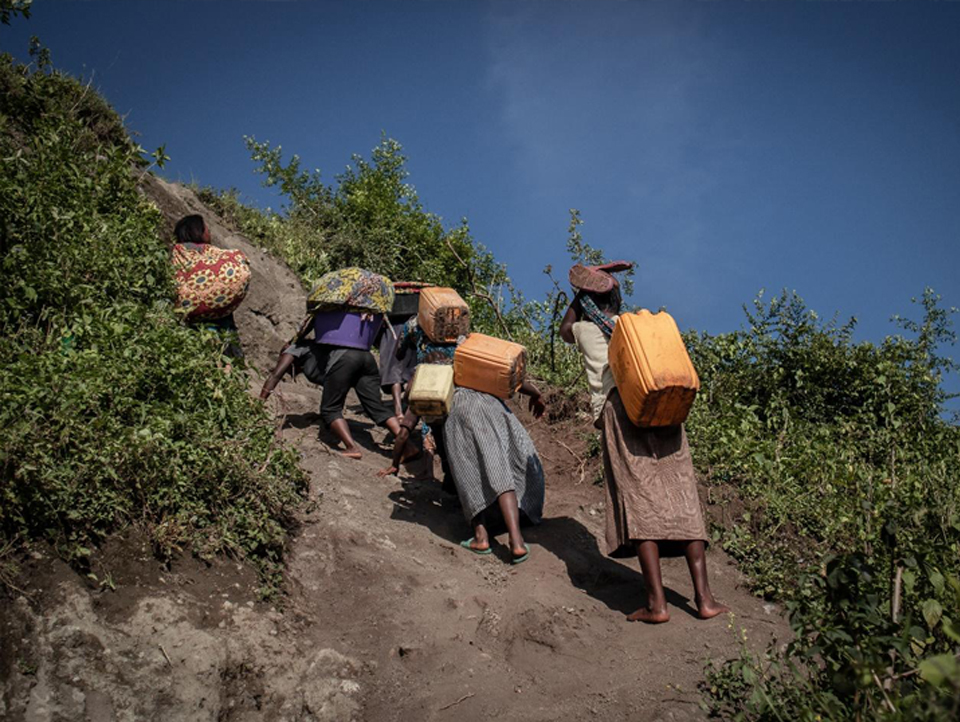
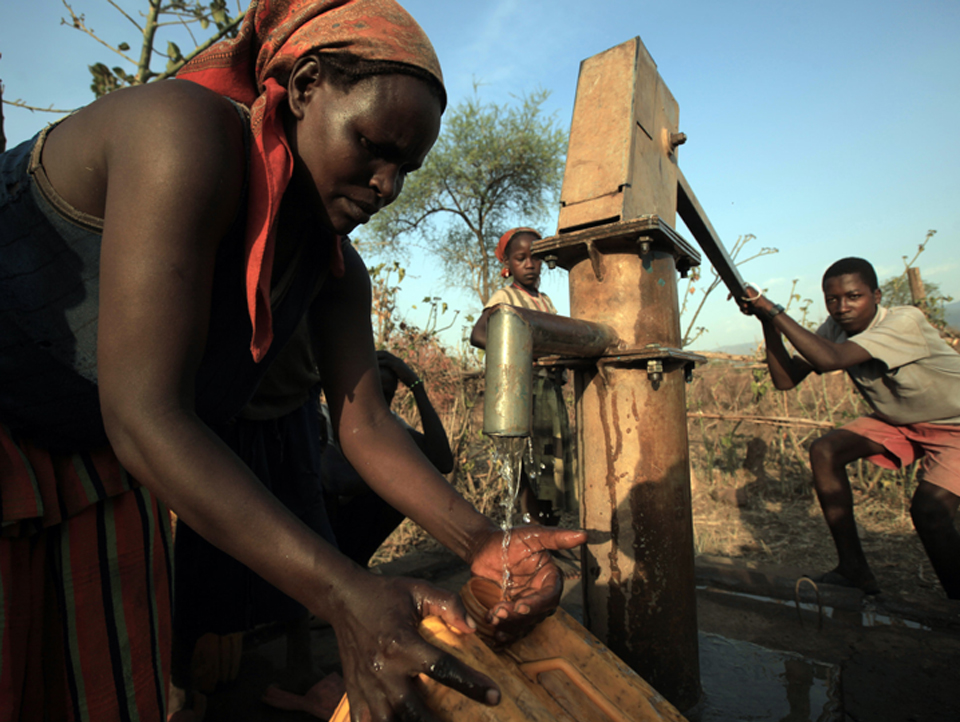
In our areas of operation, the water situation remains alarming. Most water sources are unprotected, with less than 10% of water points providing safe water coverage. As a result, the majority of families—especially women and children who are primarily responsible for water collection—rely on unsafe water sources for daily use.
Hygiene practices are generally poor in many households. Limited awareness and resources have led to the use of unclean containers for water collection, increasing the risk of contamination. Many households lack basic facilities such as kitchens and bathrooms, consume unboiled water, and maintain unhygienic living environments where domestic animals roam freely, exposing women and children to preventable health risks.
Sanitation levels are also low due to inadequate wastewater and solid waste management. Safe latrine coverage stands at approximately 30%, while overall latrine access is about 50%. Most existing latrines are temporary structures made of mud, poles, and grass-thatched roofs, offering limited privacy and safety—particularly for women and children.
Responsibilities
Our Goal :-
- Is to address issues of inadquate unsafe water, poor hygiene and sanitation among these vulnerable familie hence improving the conditions of living of these poor communities almost being disease free.
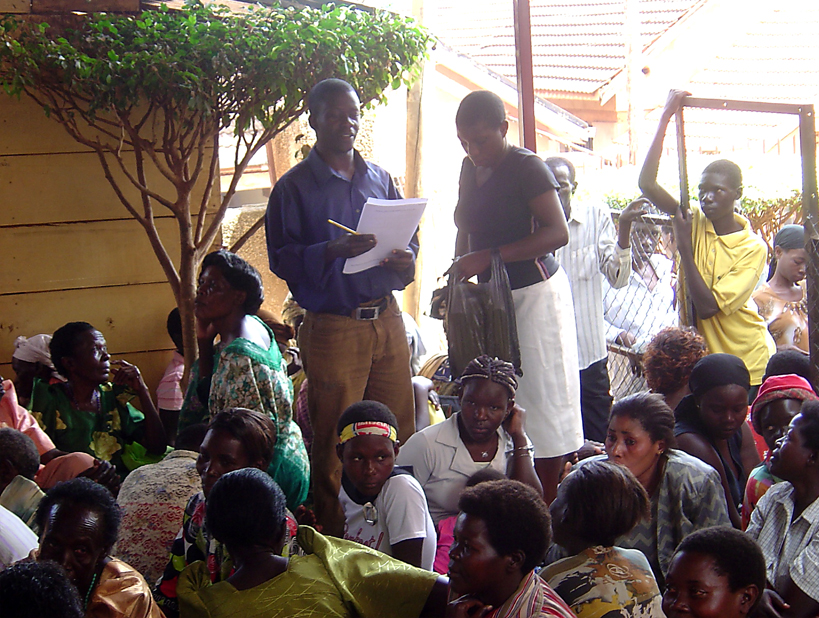
- Lobby for funds to construct Boreholes, Construct Protected Water Sources and Springs, senstisation of the masses so as to increase their access to latrines and the practice of a good hygienic behaviour.Other Projects
Volunteer